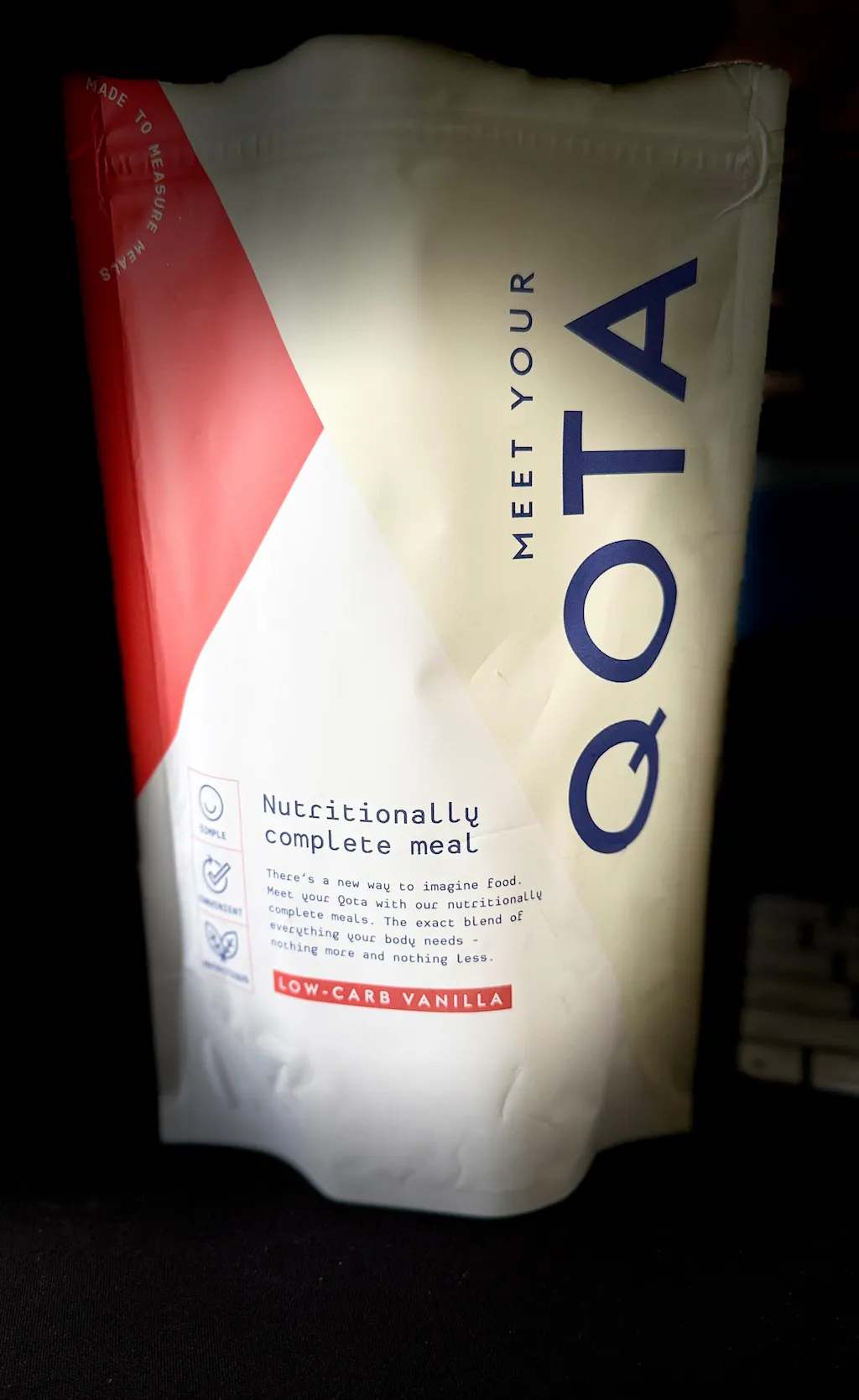
Qota vs. Huel: A Head-to-Head Comparison
Qota Nutrition (formerly Aussielent) and Huel are both pioneers in the meal replacement space, offering convenient, nutritionally complete options for busy lifestyles.
Qota, an Australian brand based in Melbourne, emphasises local sourcing and alignment with Aussie food standards, while Huel, a UK-based global leader since 2015, focuses on plant-based innovation and broad accessibility.
Both deliver balanced macros, full micronutrient profiles, and sustainability creds, but they differ in formulation, pricing, and regional appeal. Below, I'll break it down across key categories, drawing from their official nutrition panels and user insights. (Note: Data is for standard vanilla/chocolate powders per full serving—~90-100g for Qota, ~100g for Huel—mixed with water or milk; exact values can vary by flavour.)
|
Category
|
Qota Nutrition
|
Huel
|
|---|---|---|
|
Origin & Availability
|
Australian (Melbourne-made, local ingredients like Victorian whey and SA oats). Ships free Australia-wide; limited international (e.g., US trials). Best for Aussies.
|
UK-based, global shipping (US, EU, etc.). Widely available in stores like Sainsbury's (UK) and online. More options for international users.
|
|
Core Products
|
Powders (standard, low-carb, vegan), ready meals (e.g., Moroccan Cous Cous). Focus on shakes and simple RTEs.
|
Powders (v3.0, Black Edition high-protein), RTD bottles, hot/savory meals, bars, Daily Greens supplement. Broader range for variety.
|
|
Nutritional Profile (per serving)
|
~500 kcal, 30g+ protein, balanced carbs/fats/fiber, omegas 3&6, 26 vitamins/minerals (145+ health benefits per Aussie standards). High Health Star Rating (4.5/5 for vanilla).
|
~400 kcal, 30g protein (40g in Black Edition), 30g carbs, 18g fat, 7-8g fiber, 27 vitamins/minerals (172+ health benefits). Gluten-free.
|
|
Ingredients
|
Whey/pea protein, oat flour, soy lecithin, natural flavors, vitamins. Non-vegan options include dairy; vegan has oats/gluten/soy. Lower sodium focus.
|
Plant-based: Oats, pea/rice/faba bean protein, flaxseed, tapioca, MCTs from coconut, micronutrient blend. 100% vegan, no dairy/soy in core formulas.
|
|
Dietary Suitability
|
Vegetarian (most), vegan option available. Gluten in standard (low-gluten in low-carb). Cross-contamination risks for dairy/gluten/soy/eggs.
|
Fully vegan, gluten-free. Keto-friendly Black Edition; suitable for diabetes with carb monitoring. No animal products.
|
|
Pricing
|
AUD $3.20-3.50 per serving (e.g., 1.75kg bag ~AUD $55-60 for 14-17 servings). Competitive for nutritious RTIs vs. freeze-dried ($100/kg). Bundles for weight loss.
|
~£2-2.50 per serving (e.g., 1.7kg bag ~£40-45 for 17 servings; US ~$2.50/meal). RTD ~£3/bottle. Often cheaper in bulk/subscriptions.
|
|
Sustainability
|
Carbon-neutral shipping, recyclable packaging, "no leftovers" ethos (portion control reduces waste). Local sourcing cuts emissions.
|
Plant-based minimizes animal impact; zero-waste goal, eco-packaging. Broader global footprint but strong on phytonutrients/environmental claims.
|
|
Taste & Texture
|
Smoother post-rebrand, less grainy; flavors like vanilla/chocolate/salted caramel praised as "filling and palatable." Some note sucralose aftertaste. Good for low-appetite days.
|
Mixed: Some love the oaty richness (e.g., chocolate "decent"), others find it gritty/chalky. 10+ flavors; RTD easier for on-the-go. Improves when blended.
|
|
User Reviews & Reception
|
Positive for convenience/hiking (e.g., "hydrates + nourishes in one"); Reddit favors it over imports for local ethics. Fewer complaints on bloat.
|
Huge community (Hueligans); great for weight loss/variety, but some switch for better taste (e.g., to Jimmy Joy). 500M+ meals sold globally.
|
- Choose Qota if: You're in Australia, prefer whey-based protein for satiety, or want lower-sodium options with a 4.5-star health rating. It's a solid, no-fuss local hero for sustained energy without the import hassle—ideal for hikers or intermittent fasters.
- Choose Huel if: You want 100% vegan, gluten-free versatility with more formats (bars, hot meals) and global ease. It's more established for customization (e.g., high-protein Black Edition) and edges out on micronutrient count, though some find the texture less refined.
- Overall: Both score 8-9/10 for complete nutrition, but Huel wins on variety and scale, while Qota shines in regional sustainability and smoother Aussie compliance. Neither is "better"—it depends on your diet prefs (vegan? local?). Try samplers: Qota's bundle or Huel's starter box. If you're tracking weight loss, both support deficits via portion control. What's your main goal—convenience, vegan, or budget?